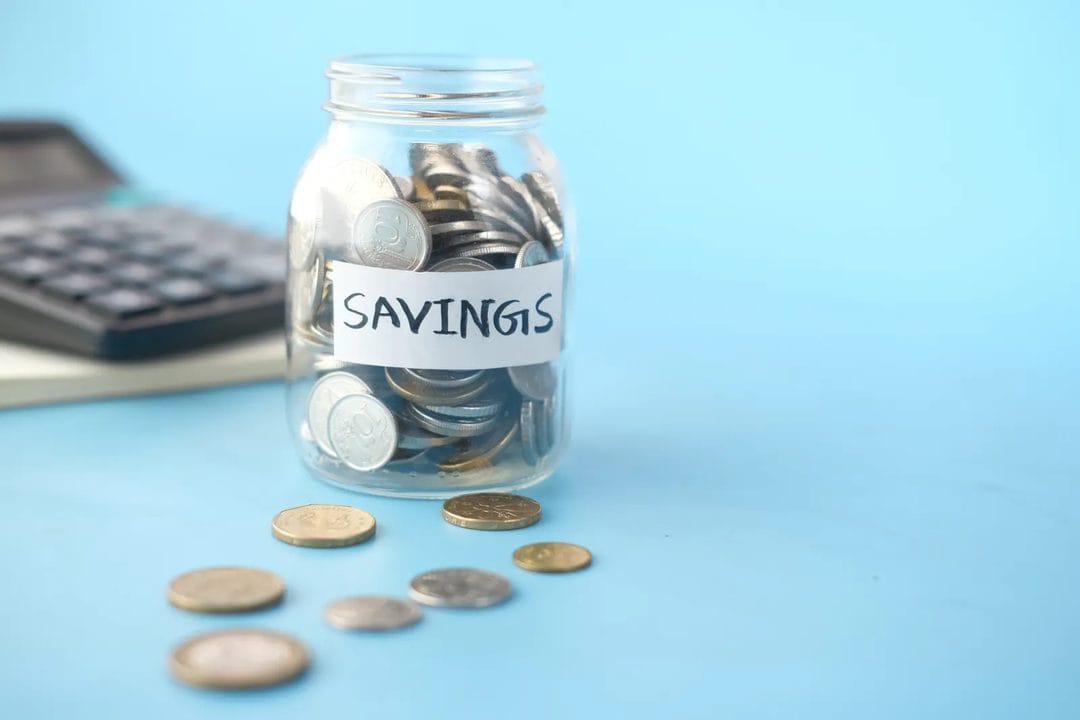
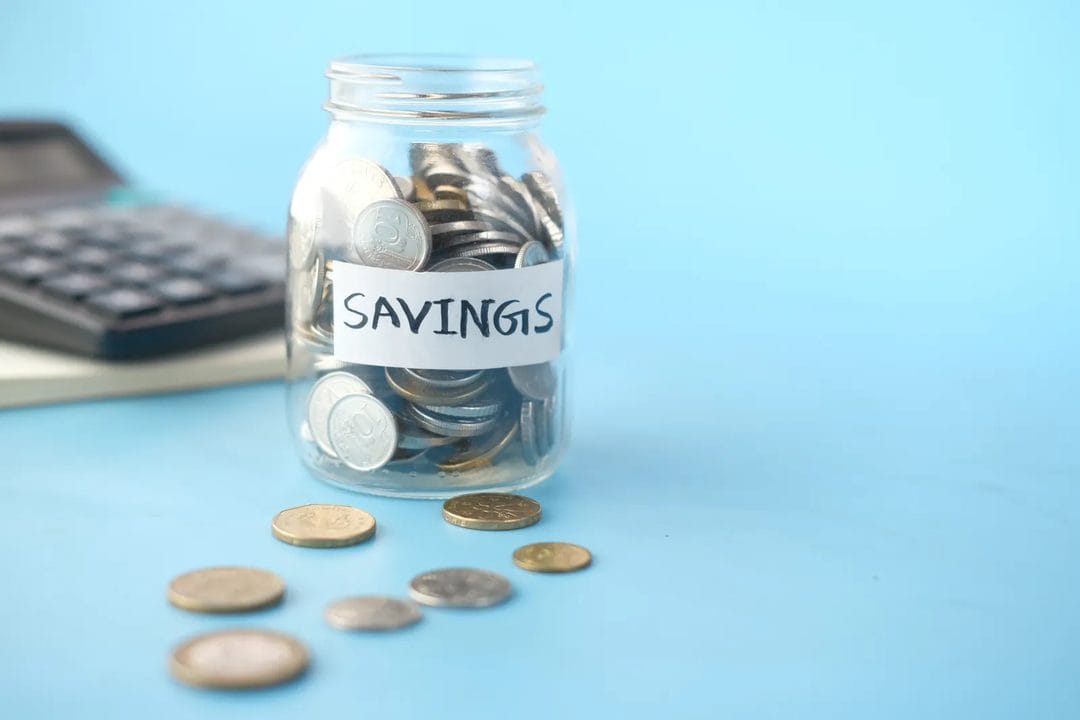
Rachel moved her entire six-month emergency fund into a high-yield savings account in the fall of 2023, back when Marcus by Goldman Sachs was paying 5.15% APY and her cash finally felt like it was doing something instead of sitting flat in a checking account earning nothing. She set up an automatic transfer, stopped thinking about it, and checked the little interest line on her statement every month mostly out of habit. That habit is what caught the change before she read a single headline about it: the deposit shrank from $187 one month to $151 the next, then $139 the month after that. By the time she actually logged in and looked at the posted rate, Marcus had slid to 3.80% APY, and her account — same bank, same balance, same routing number — was earning nearly a third less than it had two years earlier. Rachel isn't imagining this, and she isn't alone. Anyone who parked cash in a high-yield savings account during the 2023–2024 rate peak is watching the same slide happen in real time, and most of them have no plan for what to do about it beyond a vague sense that things used to be better.
The Number That Actually Matters Isn't the Headline Rate
A high-yield savings account was never a fixed-rate product, even though the marketing pages made it feel that way. The APY floats with the federal funds rate, and the Federal Reserve cut that rate several times between late 2024 and the end of 2025, trimming it down from the 5.25%–5.50% peak into the 3.50%–3.75% range as inflation cooled and the labor market softened enough to justify easing off. Every online bank that had been competing for deposits with headline 5%-plus rates followed the same curve down — some within days of a Fed announcement, some lagging a few weeks to squeeze extra deposits in before adjusting, because a bank that cuts its rate too fast loses new customers to whichever competitor hasn't moved yet. Ally Bank, Discover, Capital One 360, and SoFi all made the same trip down from the low 5s into the mid 3s, and the handful of banks still advertising 4.5% or higher this year are almost always doing it with a promotional rate that expires, not a sustainable base rate you can count on twelve months from now. None of this is a temporary blip that reverses itself in a quarter or two, either — the Fed has signaled it expects to hold rates in this lower range for a while, which means the savings-account glory days of 2023 aren't coming back on their own.
Where Your Money Actually Sits Once the Teaser Expires
Here's where a lot of savers get burned twice. A bank advertises 4.75% APY in bold letters on the homepage, you open the account and move your cash over, and three months later a small note buried in your statement mentions the rate was a "new money bonus" that applied only to your first $10,000 for 90 days. After that window closes, the balance quietly reverts to the bank's standard rate — sometimes a full percentage point lower — and nobody sends an email announcing the drop. You find out the way Rachel did: by noticing the interest line shrinking and going to check.
Before moving a single dollar to chase a headline number, check these four things on the bank's actual terms page, not the ad:
- Whether the advertised APY is the ongoing rate or a "new money" bonus with an expiration date buried in the fine print
- Whether the rate applies to your entire balance or only the first few thousand dollars, with everything above that tier earning the base rate
- Minimum balance requirements, since some accounts drop to a lower tier below a threshold as low as $500
- How the bank notifies you of rate changes — most don't email you, so you find out only if you're checking
When Chasing the Highest Number Backfires
The bank paying the highest rate this week is rarely the bank paying the highest rate next year.
Rate-hopping between promotional accounts costs more than people budget for: every new account means a new 1099-INT at tax time, a new set of login credentials, and two or three business days where your money sits in transit earning nothing at either bank while an ACH transfer clears. For balances under $15,000, chasing an extra 0.25% by opening yet another account isn't worth the transfer delay and the extra tax form — leave the money where it is and put that energy toward increasing how much you're actually saving each month instead. The math changes once you're sitting on $50,000 or more, though: a 0.5% spread on that amount is $250 a year, which is worth the twenty minutes of paperwork it takes to open a new account and redirect a transfer. Below that threshold, the spread mostly rounds down to the price of a coffee subscription, and the hassle isn't worth the headline.
CD Laddering: Locking In a Rate Before It Falls Further
One way to protect part of your cash from further cuts is a certificate of deposit, which pays a fixed rate for its term no matter what the Fed does next. Say you have $12,000 sitting in savings that you won't need immediately. Splitting it into four $3,000 CDs with 3-month, 6-month, 9-month, and 12-month terms means one slice matures every quarter — giving you regular access to a portion of the cash while still locking in whatever rate is available on each rung when you buy it. Ally and Marcus were both offering 12-month CDs around 4.00% in early 2026, meaningfully higher than their own savings account rates, because the bank pays a premium for you giving up daily access to that money.
A CD ladder beats a single lump-sum CD for anyone who might need part of that money within the year. Don't lock the whole balance into one 12-month term and then pay an early-withdrawal penalty — often three to six months of interest — when your car needs a new transmission in month four.
Treasury Bills and Money Market Funds — the Alternative Nobody Explains Well
Short-term Treasury bills are the other lever, and they carry an advantage banks can't offer: the interest is exempt from state and local income tax, which matters if you live somewhere like California or New York where that adds up fast. A 13-week T-bill bought directly through TreasuryDirect.gov in early 2026 was yielding close to 4.10%, competitive with or better than most savings accounts, with the added comfort that the U.S. government — not an online bank's balance sheet — is on the hook for repayment. You can start with as little as $100 through TreasuryDirect, and the purchase settles within a few business days of the weekly auction, so this isn't a strategy reserved for people with six-figure balances. The catch is liquidity: your money is locked for the bill's term unless you sell it on the secondary market, which most people never learn how to do and shouldn't bother learning for a few thousand dollars. Treasury money market mutual funds like Vanguard's VMFXX or Fidelity's SPAXX solve that problem by holding a rolling basket of short-term government debt while letting you withdraw same-day, and they've been paying yields in a similar range without the lockup — the better option for anyone who wants the tax break without giving up access. Both funds still charge a small expense ratio, usually well under 0.20%, which is worth checking before you assume the entire quoted yield lands in your account.
When Staying Exactly Where You Are Is the Right Call
None of this means you should treat your emergency fund like an investment portfolio that needs constant rebalancing. An emergency fund's entire job is being there instantly when the transmission dies or a layoff notice lands in your inbox, and every dollar you move into a CD or a Treasury bill for an extra quarter-point is a dollar that takes one, three, or five business days to get back. If your current account earns 3.75% and a competitor down the street is advertising 4.10%, the annual difference on a $10,000 balance is $35 — real money, but not worth losing same-day access to cash you might need on a random Tuesday afternoon. Keep the true emergency fund liquid even at a slightly lower rate, and save the laddering and Treasury strategies for money you've already labeled "won't touch for at least three months" — a house down payment fund, a wedding you're paying for next spring, a tax bill you already know is coming in April. It helps to physically separate the two pots by naming the accounts something obvious, like "Do Not Touch — Car/Job" versus "3-Month Ladder," because the moment those categories blur in your head is the moment you start raiding the ladder for a vacation and calling it liquidity management. Banks make this easy to forget on purpose: a single savings account with one balance doesn't remind you which dollars are spoken for, so the separation has to come from you, not from the interface.
Rachel eventually split her setup: half her emergency fund stayed in the Marcus account for same-day access, and the other half went into a three-rung CD ladder averaging 4.05%. She didn't chase the highest number on a rate-comparison site that week. She built a system that will still make sense the next time the Fed cuts again — and at this point, everyone should assume it will.